
Member Spotlight: Gavin’s Journey to the Crossfit Games
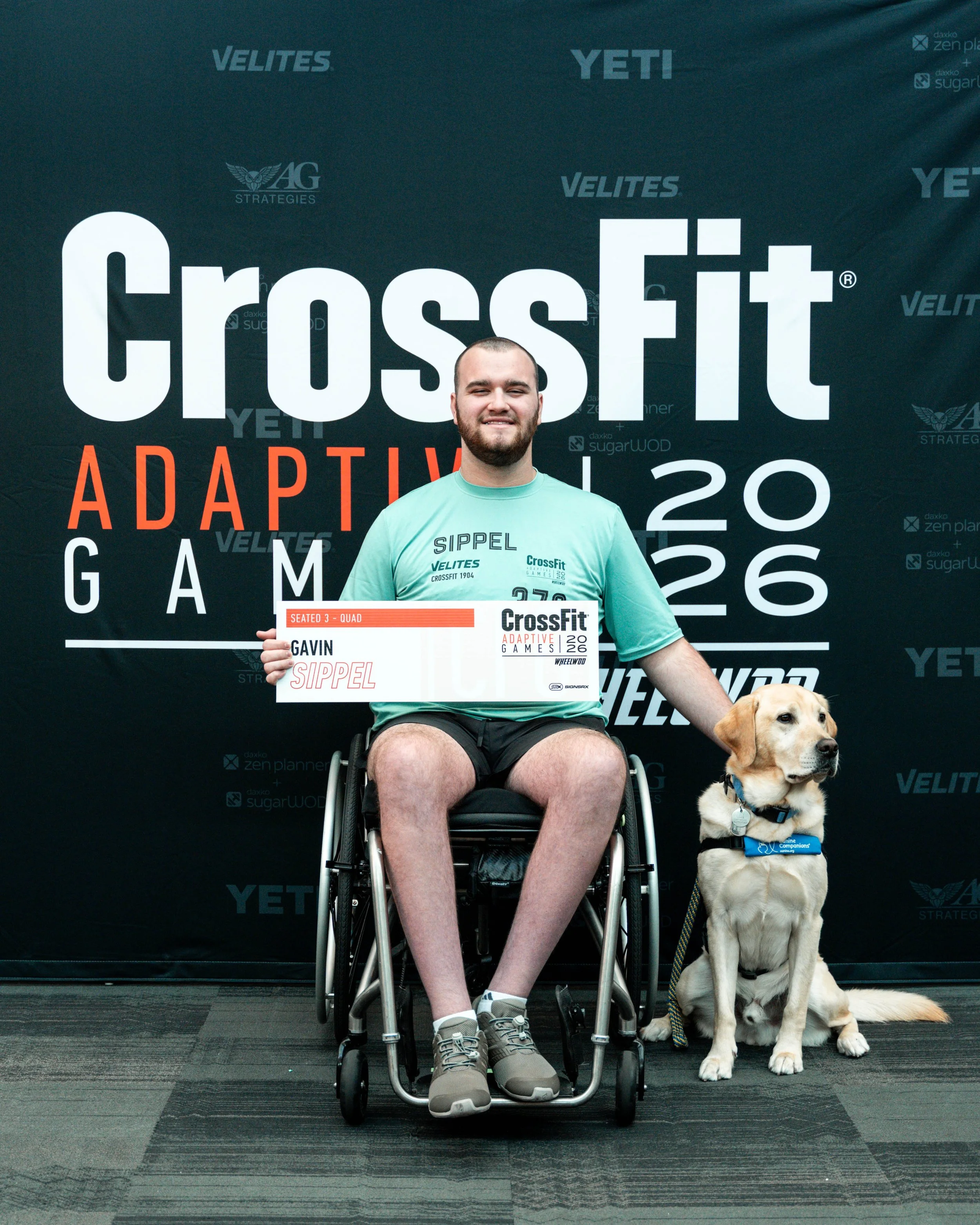
This July, one of our adaptive members Gavin Sippel competed at the Adaptive Crossfit Games in San Jose, CA and placed 3rd in his division.
This is the journey of how a first-time visitor and his guide dog turned one free clinic into a spot on the podium.
This July, one of our adaptive members Gavin Sippel competed at the Adaptive Crossfit Games in San Jose, CA and placed 3rd in his division.
This is the journey of how a first-time visitor and his guide dog turned one free clinic into a spot on the podium.
Meet Gavin
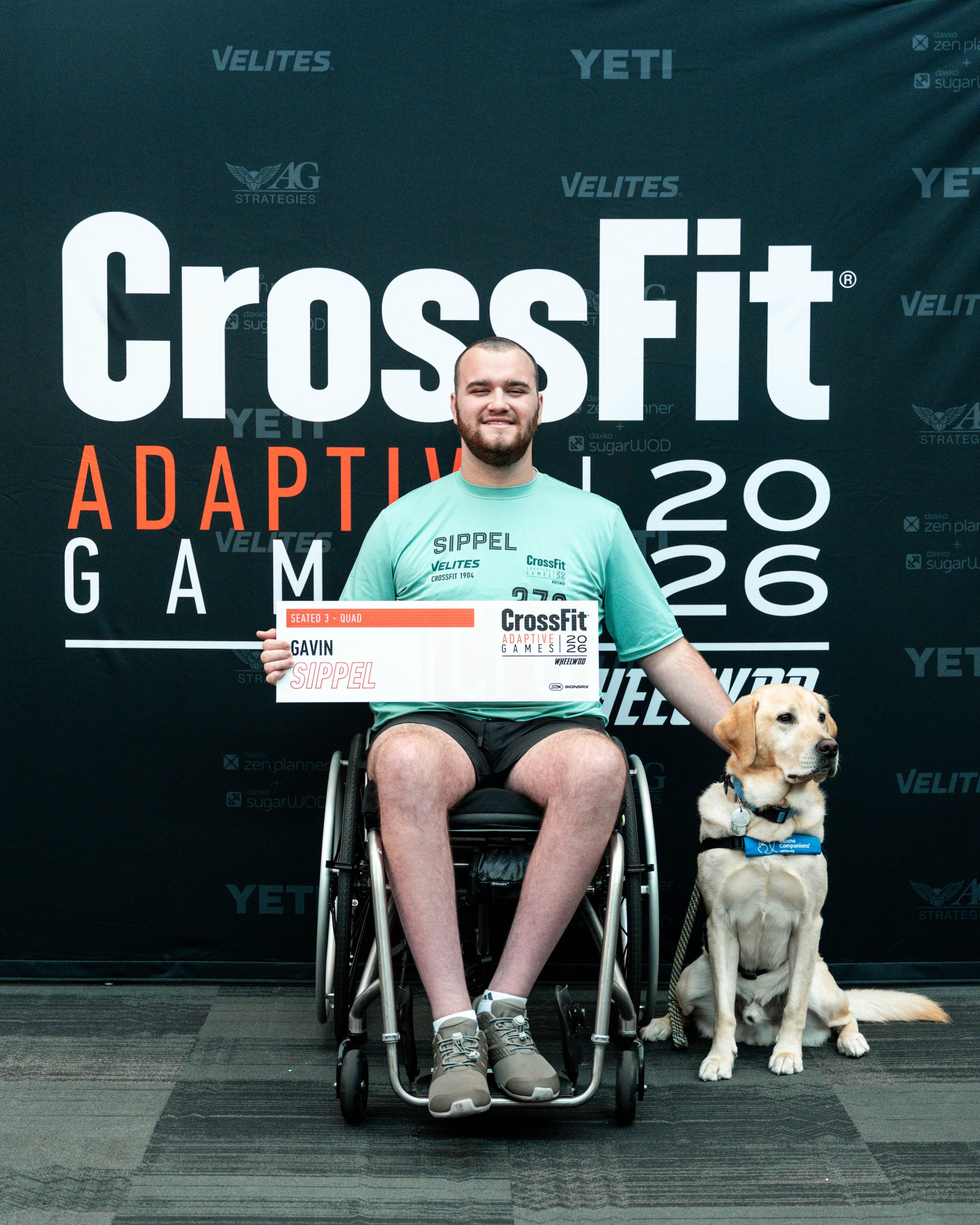
Gavin & Epic at the 2026 Adaptive CrossFit Games
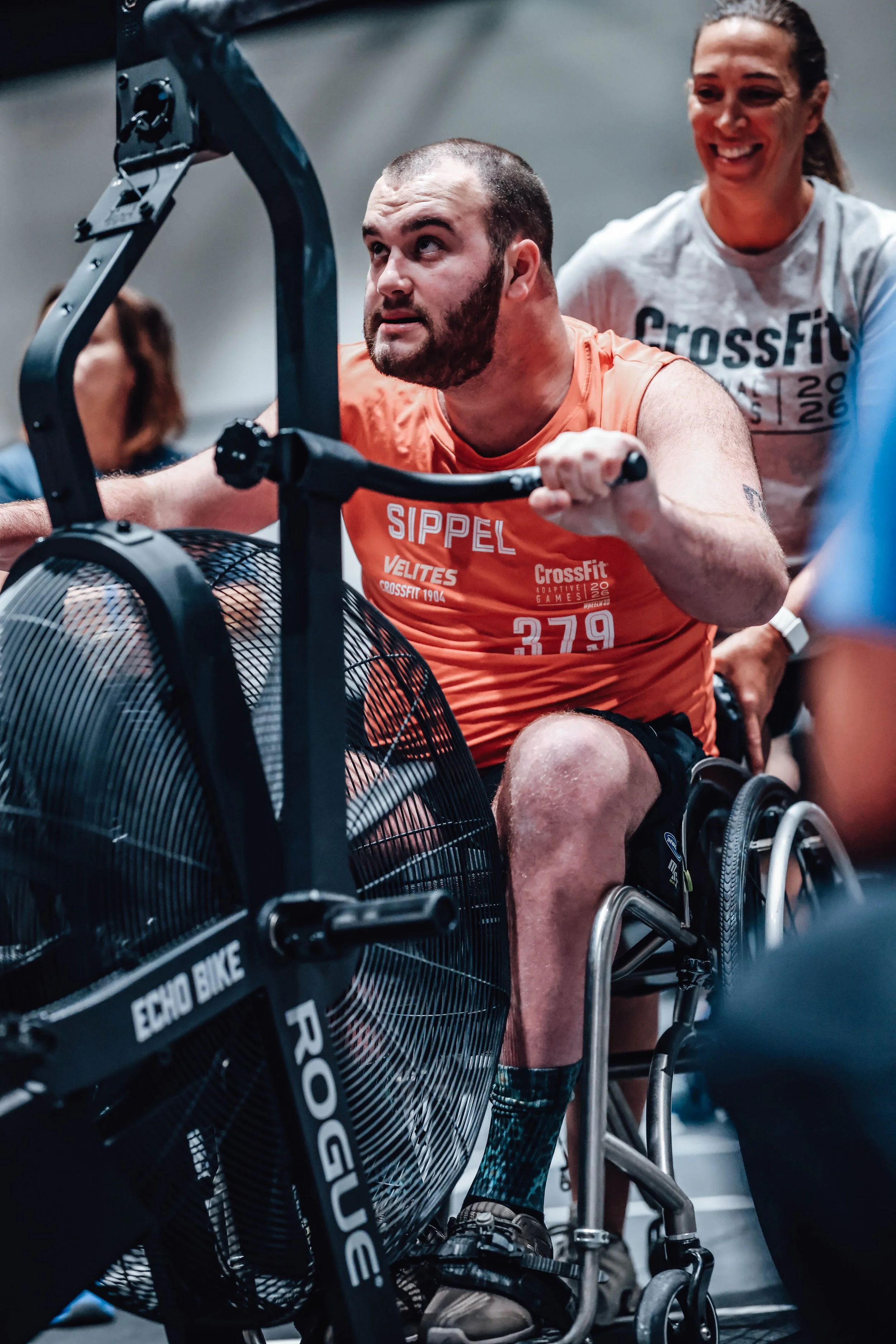
Gavin and Shawna at the 2026 Adaptive CrossFit Games
Meet Coach Shawna
1.What was your experience like working with Gavin from your first interaction with him to now coaching him at the adaptive games?
A: I originally met Gavin when I volunteered for a CAF event and he came as a participant. He loved the workout we did and we talked about him coming to check out a noon class. Once he showed up and we started working together the guy was hooked and he started talking about going to the CrossFit Games. From there it was all about teaching him the movements and CrossFit terminology and building the strength to do the adaptive workouts, as well as getting him used to having his reps judged and executing on full range of motion etc.
2. What do you want coaches to know that want to work with and or have never worked with adaptive athletes before?
A: That it’s not one size fits all and you need to personalize the experience to the athlete. Gavin has the ability to stand, walk with support, even does stuff on the rig. Standing and walking are hard for him and he feels safest and most comfortable in his chair, but since he still does transfers etc he has to train time on his feet. I don’t treat him like a seated athlete even though he arrives in a wheelchair. I treat him like a crossfit athlete and then modify/scale the workouts to meet him where he’s at, and I use our training to first and foremost make sure that he is as capable as possible in daily living.
3. Has your coaching of Gavin changed at all over the past year you have been working with him?
A: Gavin has gotten stronger both physically and mentally. I’ve learned what he is capable of, so I push him harder now and I will give him heavier weights to lift/more advanced movements.
4. What did training look like for Gavin?
Gavin followed our CAP programming and I modified/scaled for his capacity (most of the movements he would do as written just scaled (ie modified rope climbs, assisted jumps to a mat, toes assisted pullups, deadlifts) - we would blend time on his feet with building capacity in the chair to be good at the CrossFit Open and beyond- but I mostly prioritized time on his feet and using his legs - I knew the Games was a season and I wanted to make sure what we were doing in the gym made him strong for life not just for a competition weekend.
If you are an adaptive athlete or know of someone who is an adaptive athlete we have an upcoming adaptive clinic on September 27th 2026, 12:00PM - 2:00PM. Click the link below to sign up as an athlete!
https://challengedathletes.org/crossfit
1.What drew you to crossfit?
A: I went to a clinic put on by The Challenged Athlete Foundation over a year ago. I felt so welcomed and the trainers were so knowledgeable about adapting the workout for each person.
2.What do you want other adaptive athletes to know about crossfit and competing?
A: It is scary but once you meet people that have similar goals as you it becomes fun. All of the
CrossFit movements can be adapted to your needs.
3.Were there challenges you faced while training for the games?
A: Since adaptive athletes aren’t typically sponsored, it can be expensive. Athletes with brand deals can have training and equipment covered. I had to fundraise to get a wheelchair specifically made to handle CrossFit. My everyday chair was breaking. The new chair was over $7000. Thank you CrossFit 1904 for hosting a fundraiser at the gym for me!
4. What was your favorite part of training for the games
A: My favorite part was pushing past the exhaustion. My disease of Friedreich's Ataxia comes with high levels of fatigue. There were so many times I could have given up on the goal of getting to the games. Shawna kept reminding me that CrossFit games athletes don’t just give up.
5. What did you learn about yourself through this journey of starting crossfit to now competing?
A: I learned that there are going to be bad days. There are going to be good days. All you can do is persevere.
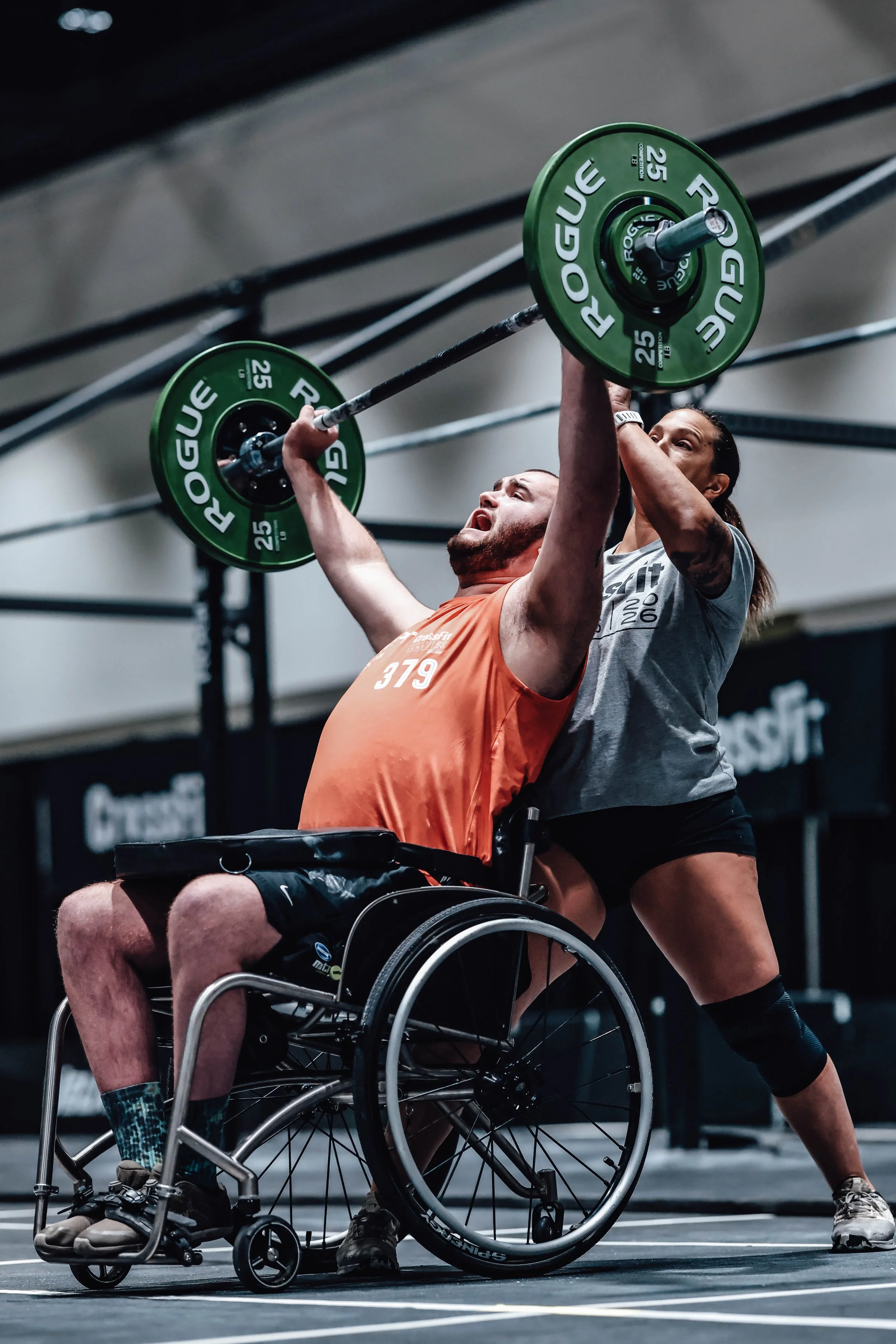
Coach Shawna and Gavin at the 2026 Adaptive CrossFit Games
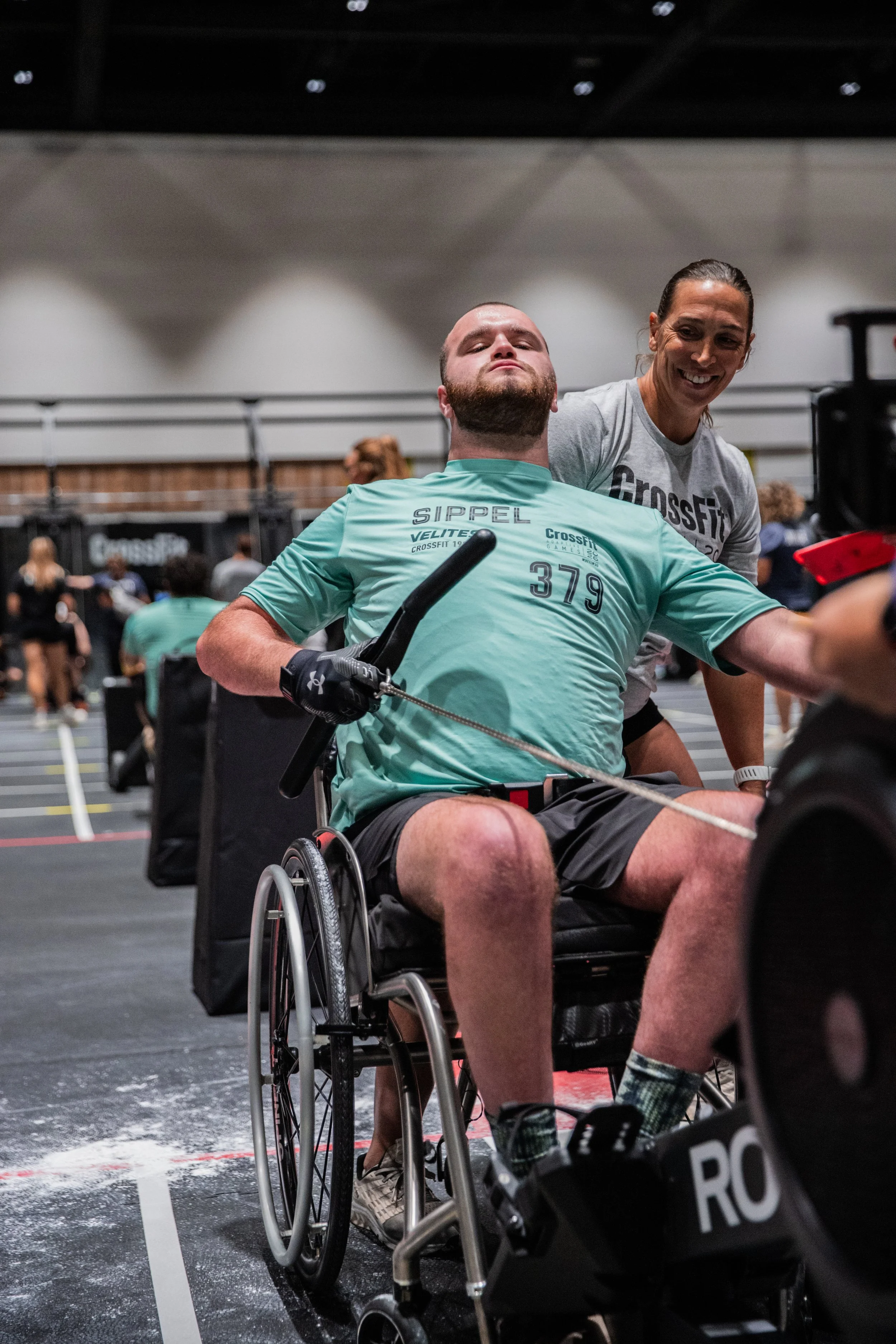
Gavin and Coach Shawna at the 2026 Adaptive CrossFit Games
How Available is Your Energy?
One of the topics that comes up most in our cool downs is nutrition. Sometimes it's as simple as what's for breakfast, or what you ate to fuel today's workout. Other times it's fasted versus unfasted training, or how to think about carbs, protein, and fats.
Low energy availability came up in one of these talks recently, and it's a concept most people have never heard of, even though it's one every coach and athlete should understand.
One of the topics that comes up most in our cool down chats is nutrition. Sometimes it's as simple as “what's for breakfast?,” or what you ate to fuel today's workout. Other times, it's fasted versus unfasted training, or how to think about carbs, protein, and fats. I love these conversations because they let me give general guidance while getting to know each person well enough to understand what actually works for their body and their goals.
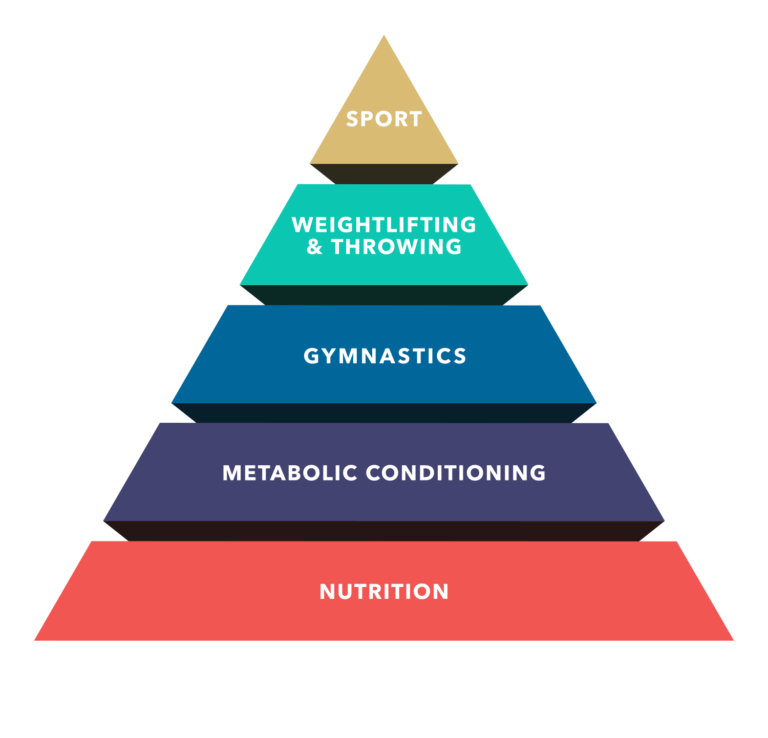
The CrossFit Pyramid
Low energy availability came up in one of these talks recently, and it's a concept most people have never heard of, even though it's one every coach and athlete should understand.
Here's the short version of what it means. Your body needs fuel for two jobs at once: powering your training, and running everything else that keeps you healthy, including hormone production, immune function, tissue repair, and bone density. Energy availability is what's left to cover that second job once training demands are met. When intake consistently falls short of what both jobs require, your body starts making trade-offs. It deprioritizes the systems that don't feel urgent in the moment, even though they're the ones responsible for your long-term health and progress. That's low energy availability, and it can affect everyone regardless of age or gender.
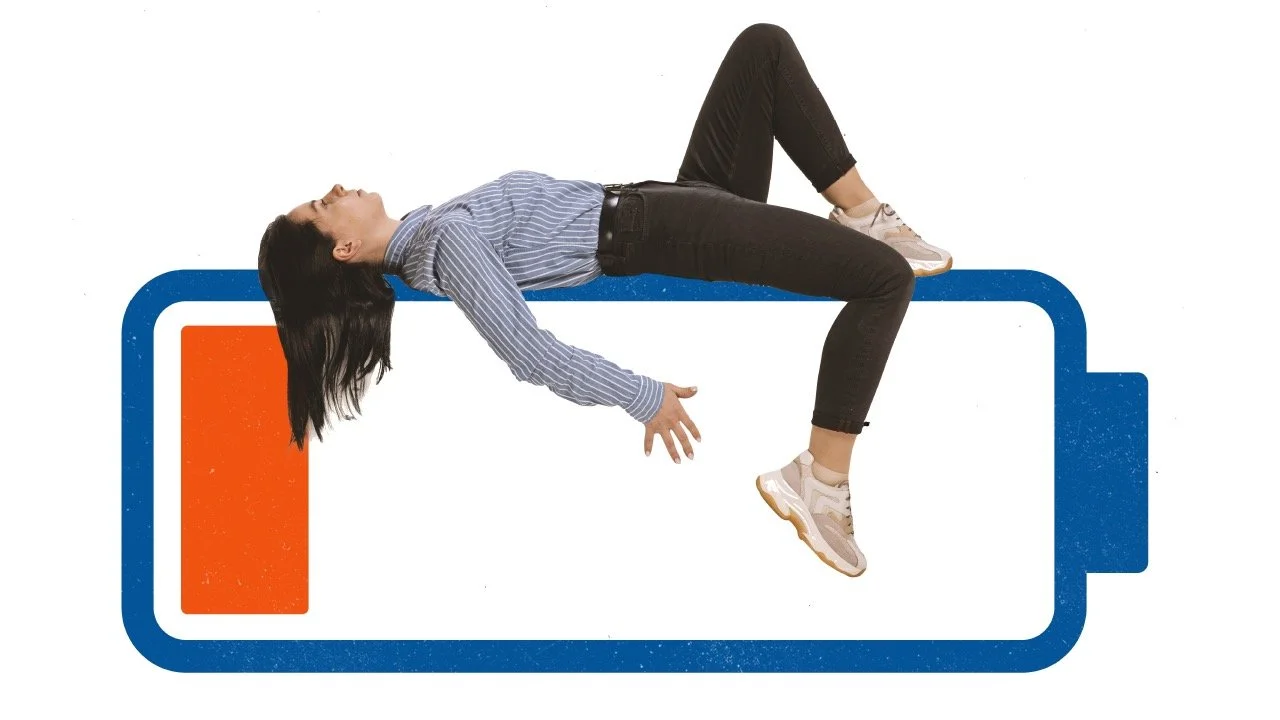
RED-S, the body’s low-battery mode
Left unaddressed, it can progress into RED-S, or Relative Energy Deficiency in Sport, a formally diagnosed condition. In women, it often announces itself clearly through missed or irregular periods. In men, it's quieter and easier to miss: stalled strength gains, decreased libido, or injuries that linger longer than they should. That difference is exactly why it tends to fly under the radar for guys in particular.
At its core, this comes down to a balance between the fuel you take in and the energy your body actually needs to produce ATP. Stress, sleep, food, and training all draw from that same bucket. If you notice you're consistently low on energy, or your recovery and performance have plateaued despite consistent effort, it's worth taking an honest look at your food intake relative to your Resting Metabolic Rate (RMR). A DEXA scan can measure this directly, but general calculations work well too, and a wearable can help you spot trends in energy expenditure even if the numbers aren't exact.
If any of this sounds familiar, don't ignore it or try to sort it out on your own. Talk to your CrossFit coach! We'd rather help you catch this early than watch you push through it. Don’t have a CrossFit coach? We know where to find some great ones. Whether it's a quick question after class or a deeper conversation about your training and nutrition, we're here for it.
Member Spotlight: Sydney’s weightlifting journey
The right recommendation, the right introduction, and the right tribe can change your life. That’s what happened to Sydney! Sydney’s CrossFit journey was really the gateway to something more.
The right recommendation, the right introduction, and the right tribe can change your life.
That’s what happened to Sydney! Sydney’s CrossFit journey was really the gateway to something more.
Sydney
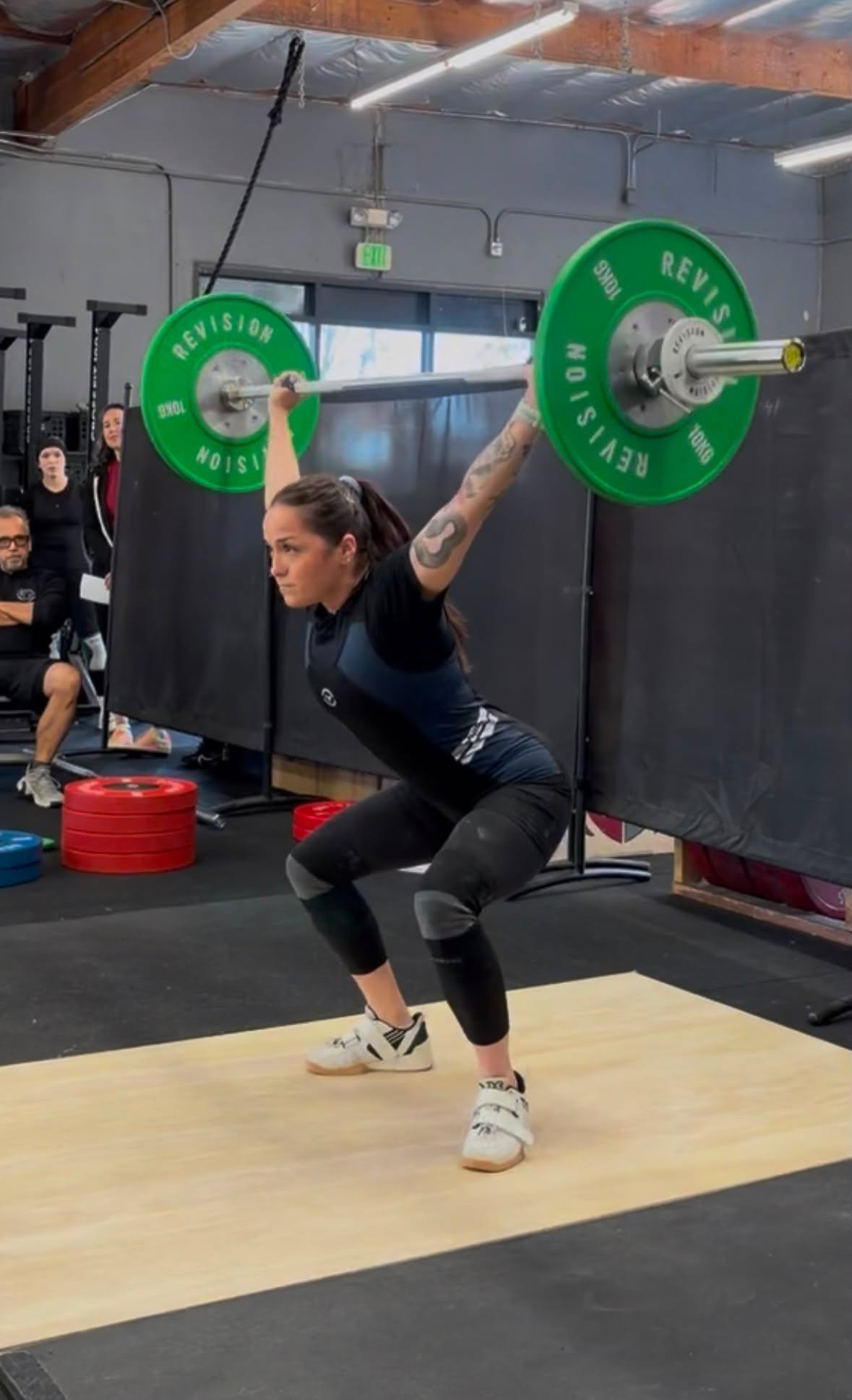
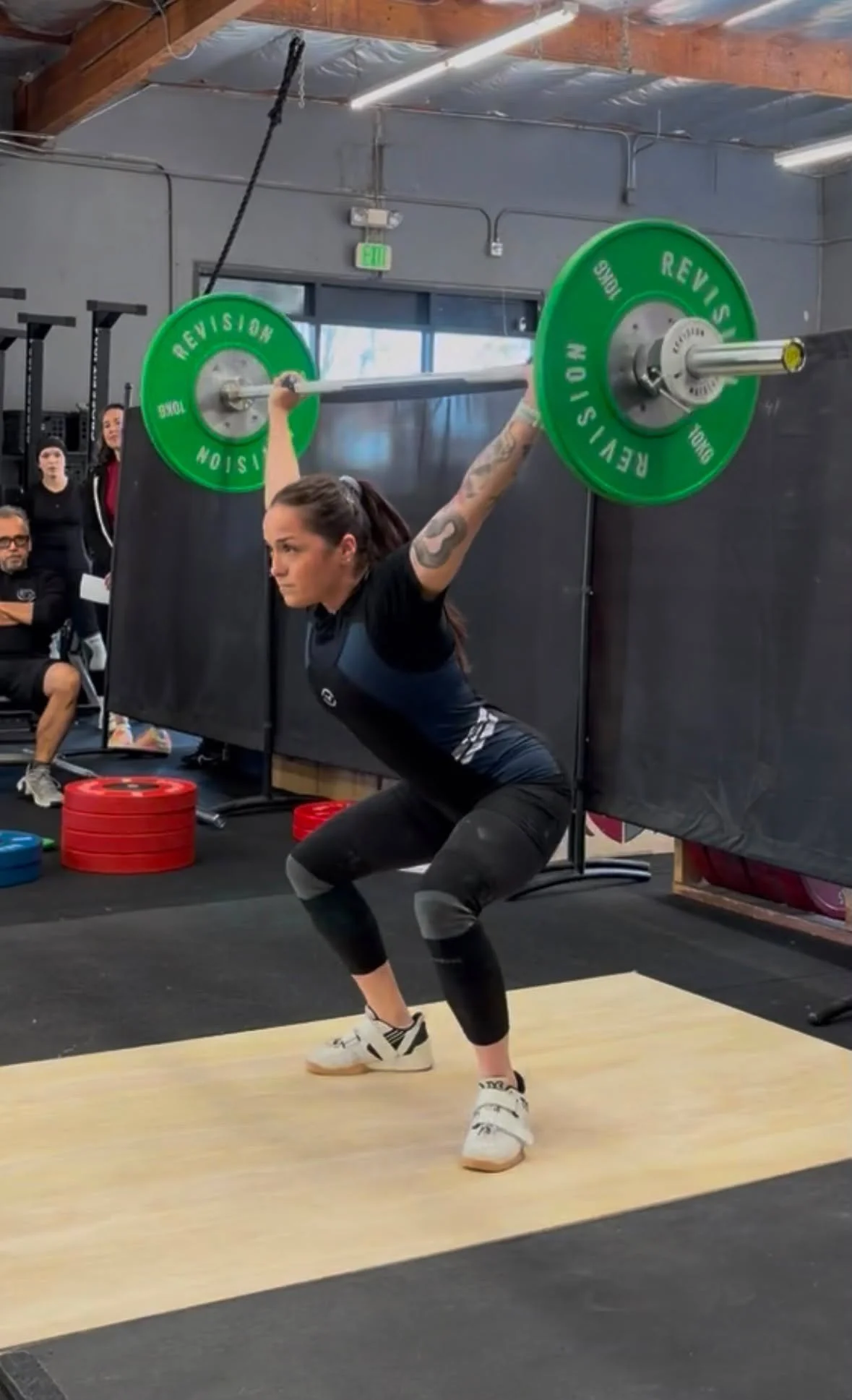
Sydney at her first meet
Q: How did you get started at CrossFit 1904?
A: I initially tried out CF 1904 during a Bring a Friend Week back in 2024 (thank you, Amanda!) and remember enjoying the workouts. After a few months of having an frustratingly inconsistent workout schedule, I decided to officially join 1904 in April of 2025! My goal in joining was to have a more consistent exercise schedule and to improve my health and fitness. The community in 1904 made it really easy to stay committed, and I’ve improved my health to a point where I can now afford to focus on performance goals, specifically with olympic weightlifting.
Q: What got you interested in Olympic Lifting in the first place?
A: One of the first few Saturday Barbell Classes I attended had max attempts for clean and jerks programmed, where I partnered with (and met for the first time) Habibi Sarah! She was so good at lifting, and combined with how supportive and encouraging she was, I was instantly motivated to want to improve in the olympic lifts. I’ve been hooked ever since, and one of the greatest gifts has been the genuine friendships I’ve built with Habibi Sarah and Morgan! I really miss Habibi Sarah being at CrossFit 1904.
Q: What are your favorite things about Olympic Lifting?
A: Split jerks. Just kidding (no i’m not). The part I really enjoy about olympic weightlifting is that you know you’re only going to get better with time. Some training days may not go 100% to plan, but at least you’re 1% better for showing up and training. Those %’s will add up quickly before you know it, and you’ll be a much better lifter than you did 6 months ago. Seriously, comparing my old lifting videos from last year to today is like night and day. It just makes me more excited to see where I’ll be 6 months from today!
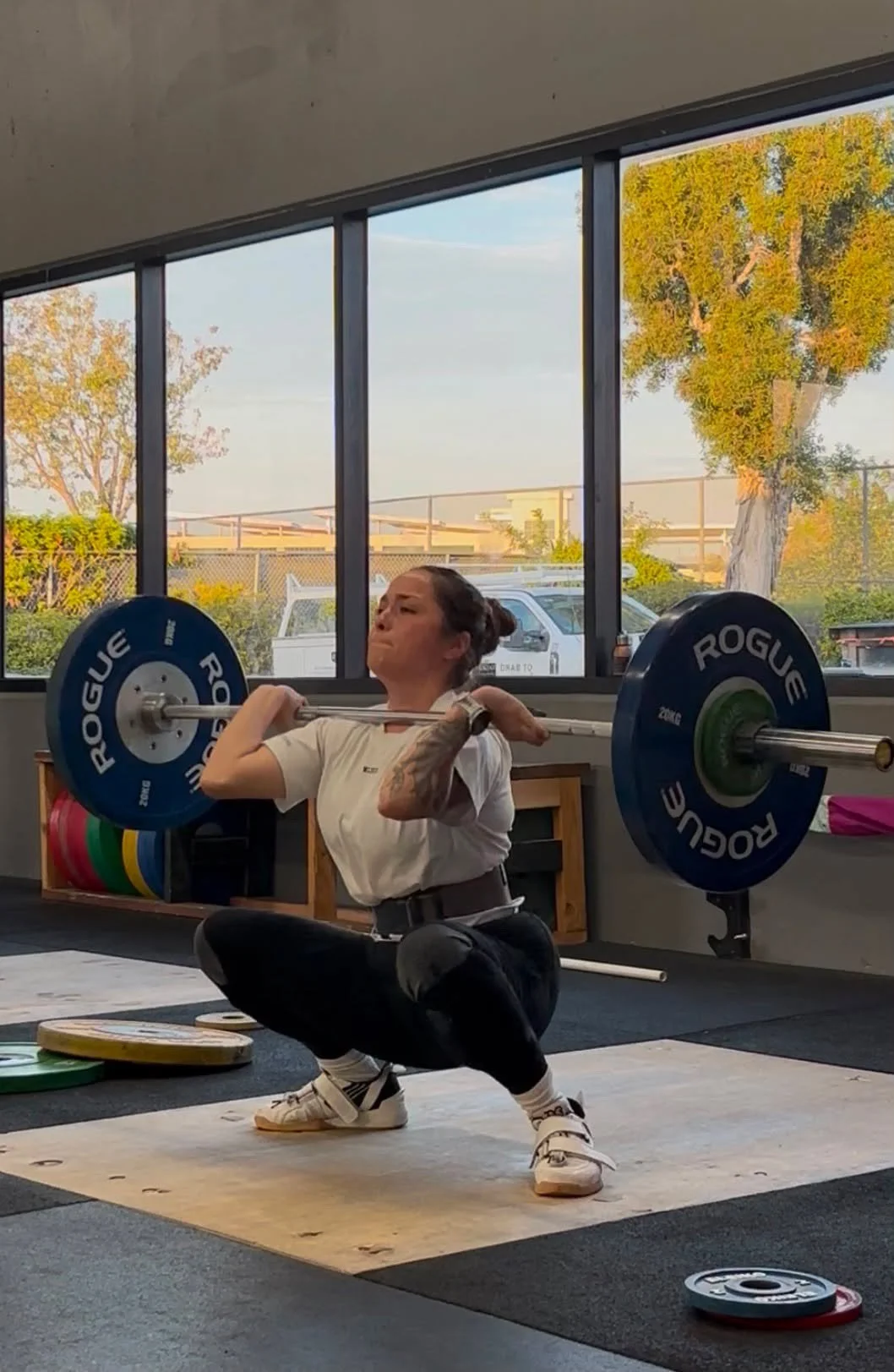
Sydney hitting a PR clean!
Q: If you could tell something to a totally new person in the sport, what would you tell them?
A: Expect to have highs and lows, that’s just the nature of a heavily technical sport. You’ll have days where you’ve slept the recommended 8 hours all week, you’re well-hydrated and fueled, but you’ll have the worst day with your technique or the bar just feels heavy. Sometimes this can last a day or a week or more, but keeping in mind that this is just a phase that you will get through and come out stronger will have the greatest impact on your mental and physical strength.
Q: How has working with a dedicated coach improved your experience as an oly lifter?
A: I’ve seen a lot more progress in my strength and technique since working with a coach! I’ve gained over 18kg total in both of my lifts since starting under Coach Vince 8 months ago, made massive improvements in my technique, and gained a lot more confidence under the bar. I’ve also been fortunate to become part of the barbell community, which is full of supportive, passionate, and incredibly strong lifters. Having a knowledgeable coach and a strong community has kept me committed to the process and motivates me to show up and push harder each session.
Q: Why should people have Vince as their olympic lifting coach?
A: #1 reason is because he’s a fun coach to have! No matter how frustrating of a lifting day it is, you’ll always have fun when he’s around. He brings years of experience and knowledge, and has an incredible ability to notice the smallest details in a lift and quickly identify what’s causing the problem. After each session, he always comes back with a plan to correct the root issue. All of the adjustments he’s had me make over the past 8 months has built towards long-term improvement in the sport, rather than just providing a temporary fix.
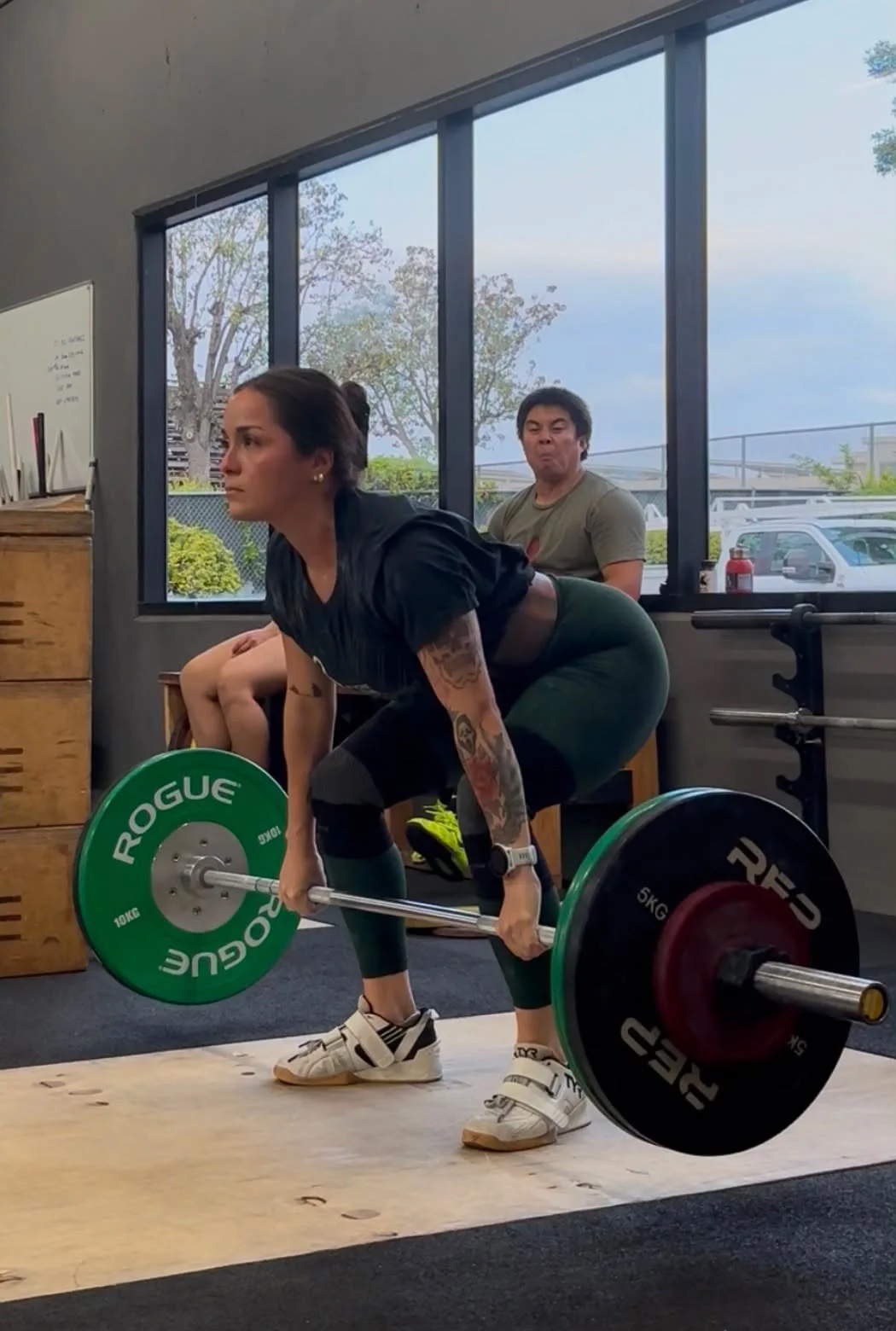
Sydney training and Roy being… Roy
Q: What would you tell a new person about your experience with a coach? Has it made a difference for you? How so?
A: I would tell a new person to get started with a coach as soon as possible. Honestly, I wish I had started a lot sooner! Olympic Weightlifting is like learning a new language, where your body has to adapt to positions that can feel awkward or uncomfortable, and to add on to the difficulty, there’s a lot of specific terminology with the sport, as well. In my experience, the sooner I understood the essential positions and the language, the faster I progressed. When you add on having a dedicated coach to that, that trajectory is MUCH faster.
“Olympic weightlifting is incredibly empowering! Lifting a heavy barbell overhead and standing up a weight you once thought was impossible is such a powerful feeling. One of the things I love most about the sport is how powerful it makes me feel, even on the bad days. It’s a real sense of accomplishment when you get closer to mastering a technical lift and build strength through steady, consistent effort. This process hasn’t just added numbers to my lifts, but it's built confidence, resilience, and a deeper appreciation of what my body is capable of. I would encourage anyone to join CrossFit 1904 and try out olympic weightlifting, and I hope more people discover the same sense of strength and empowerment that this sport has given me.”
-Sydney
Vince
Olympic Weightlifting is a very tough sport and very unforgiving if you don't approach the lifts correctly, but that's what I love most about coaching. I coach because I'm just tired of seeing everyone pull with their arms too early hahaha. In all seriousness, I just love helping people hit PRs and be their strongest self.
I love helping people understand the intricacies of all the different positions and how they all work together to make a good lift. When I work with an athlete and they are really intentional in putting everything together it's almost like a work of art seeing the before and after differences.
I've been working with Sydney for almost a year now and she is a fantastic athlete. She came very eager to learn and with a huge drive to succeed. We learned quickly that she is very receptive to coaching and can incorporate new cues quickly. She is an intentional lifter incorporating the day's focus on every lift. A testament to her dedication is how great her technique is now in such a short period of time.
If you want to be proficient in the sport and have a good time doing it - I'm your guy. Come see me at the gym. I’m here 4 nights a week and Saturday mornings.
Will CrossFit Make Me Big or Bulky?
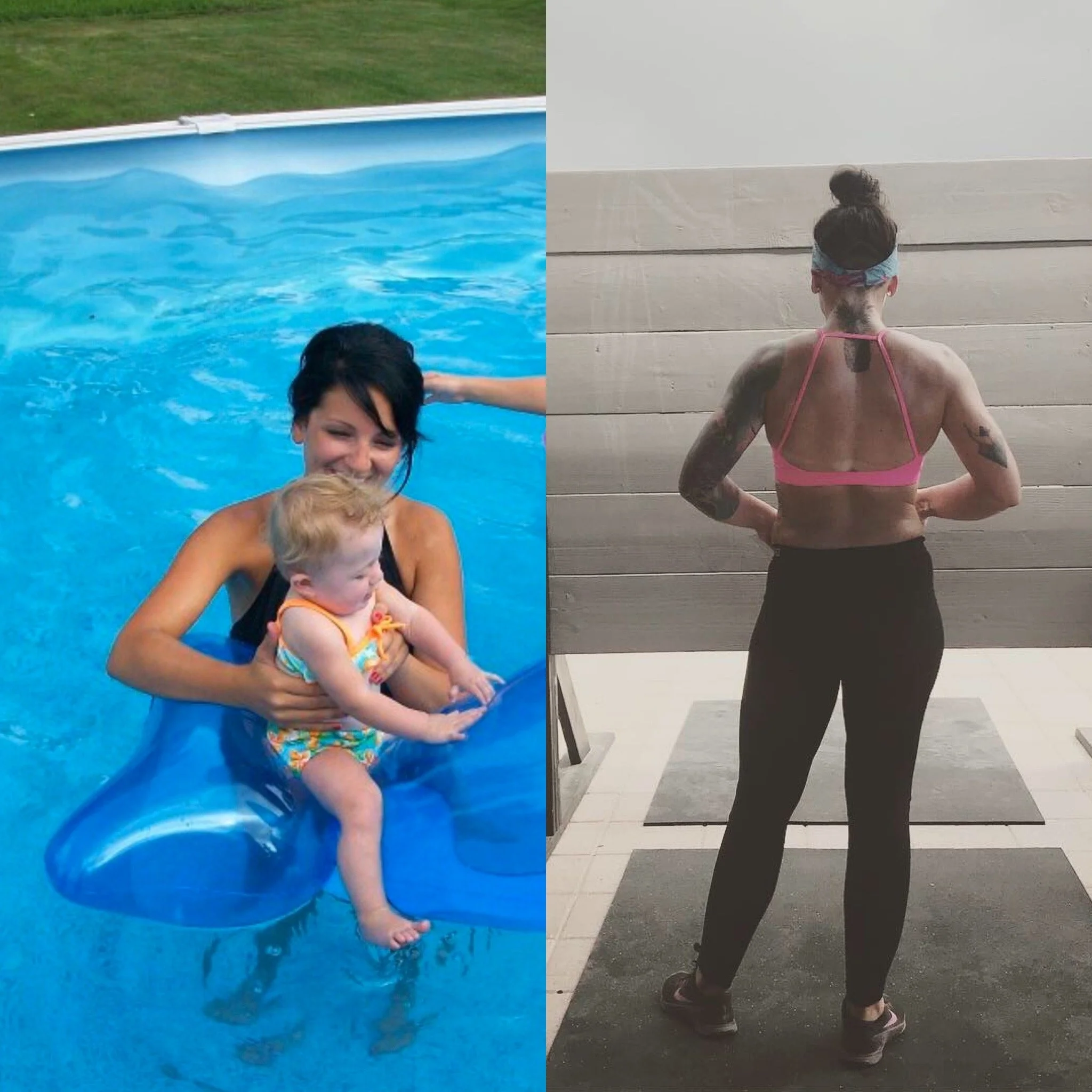
We’ve all seen those silly internet videos where a woman jokes about “looking like a man” after touching a barbell with a cheeky cut to a man wearing her outfit. But is that really true? The shortest possible answer to that question - no. CrossFit alone does not automatically equal a big bulky physique. Well, this makes for a REALLY short blog post if I leave it there. So, let’s get into it!
We’ve all seen those silly internet videos where a woman jokes about “looking like a man” after touching a barbell with a cheeky cut to a man wearing her outfit. But is that really true? The shortest possible answer to that question - no. CrossFit alone does not automatically equal a big bulky physique.
Well, this makes for a REALLY short blog post if I leave it there. So, let’s get into it!
Between these two pics? 10 YEARS and about 40 lbs
There are 3 main components when it comes to building muscle. Fuel, Time, and Consistency.
Fuel
How well does your car work if you’ve got no gas in it? It doesn’t matter how hard you push the pedal - that car isn’t moving when there is no fuel in it. Your muscles are very similar! You can train your ever-loving butt off, but with no fuel, we’re not going to be able to really build muscle mass. Also, you will feel like absolute crap while working out. Doesn’t sound like any fun at all, does it?
Time
How long does it take to build muscle? Science says 3 - 6 months to build noticeable muscle on a high protein diet with a consistent training schedule. This does not mean you will have to buy an entirely new wardrobe after 3 - 6 months of CrossFit because your biceps just cannot be reined in. It also doesn’t mean that you have to go nuts on protein to get any benefits. It is absolutely possible to strengthen the muscle fibers you have without a lot of noticeable growth, but the key? That protein, baby!
Consistent Training
Muscle is a use-it-or-lose-it kind of diva. I mean, how dramatic. I give you a vacation and you atrophy? Rude. Thankfully, atrophy isn’t instant. It takes a few weeks for muscles to feel “softer” because of reduced glycogen stores, but a few months to actually decrease muscle size if you’re really not using those muscles at all.
Getting in the gym consistently can look different for different people. The sweet spot is typically 3-4x per week, but recovery is a big factor here. Especially as we age (helloooo over 30 club), we can do more with less volume. That does not mean you cannot come in 5x per week, but I wouldn’t necessarily recommend a heavy volume day every day in the gym. Just like trying to run a car on empty, your muscle cars won’t work well if they feel like they’ve been in a head-on collision.
Looking to build muscle?
Fuel up, be patient, and stick to your training schedule!
At CrossFit 1904, we run a Committed Club - check in to at least 12 coached classes per month to join the club! CrossFit at 1904 is more than just working out - a membership is a fast pass to a community that cares about you and your goals, and an expert coaching staff to help you along the way!
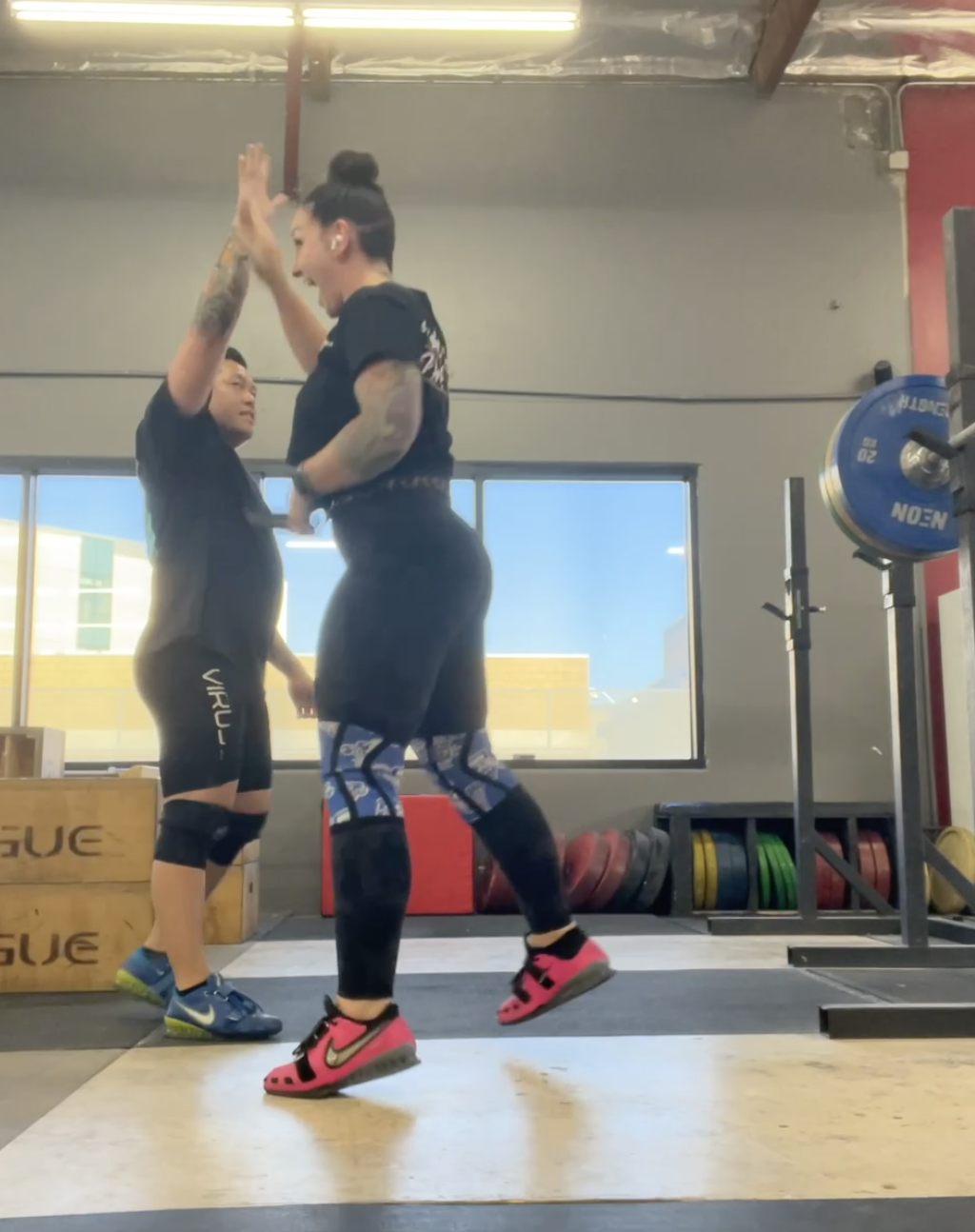
See? PRs with friends are the best
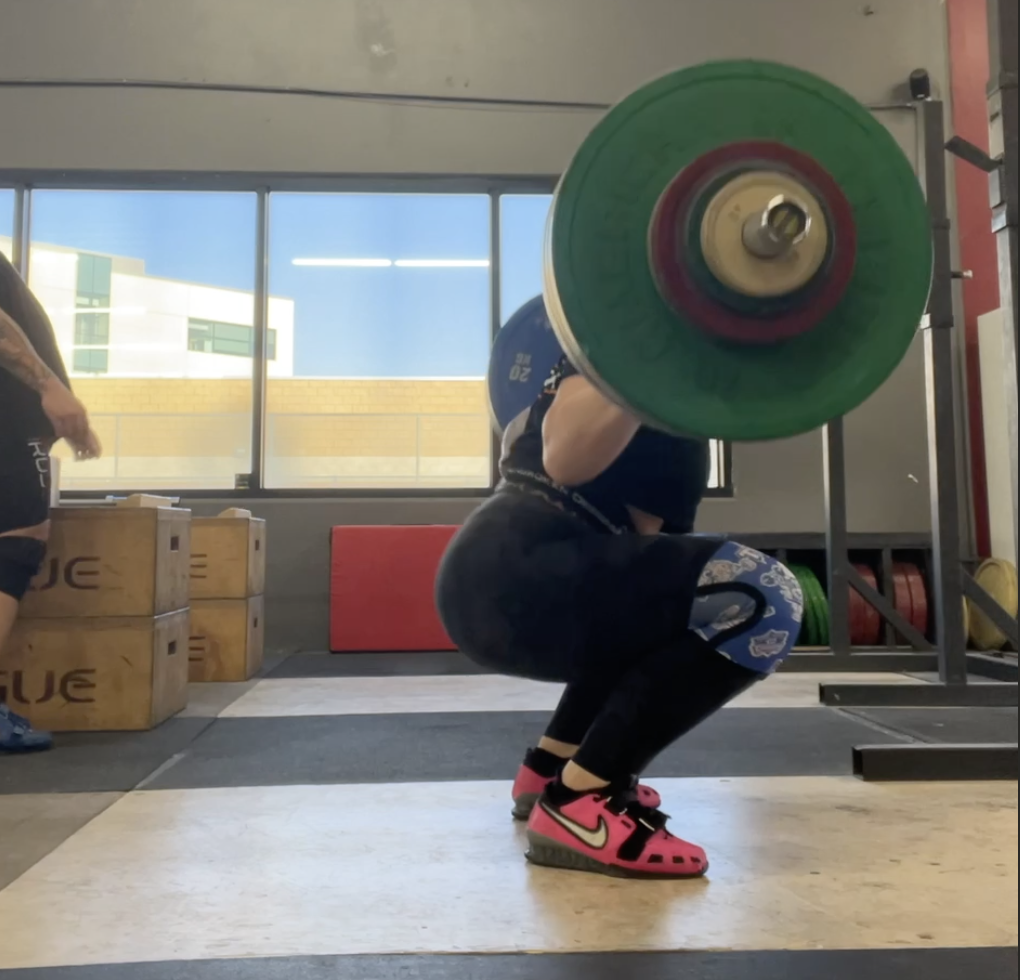
Squats to build those leg muscles!
Crossfitting for life and travel
Hi, Coach Art here. I'd like to share with you why I do CrossFit.
CrossFit is my main form of exercise because it helps me build the kind of fitness that carries over into the things I actually enjoy doing outside of the gym. My goal isn’t just to be strong or fit for the sake of working out—it's to be capable and ready for the experiences I want to have in life. I enjoy traveling, and I want to be able to spend entire days exploring new cities and countries without feeling limited by my fitness,
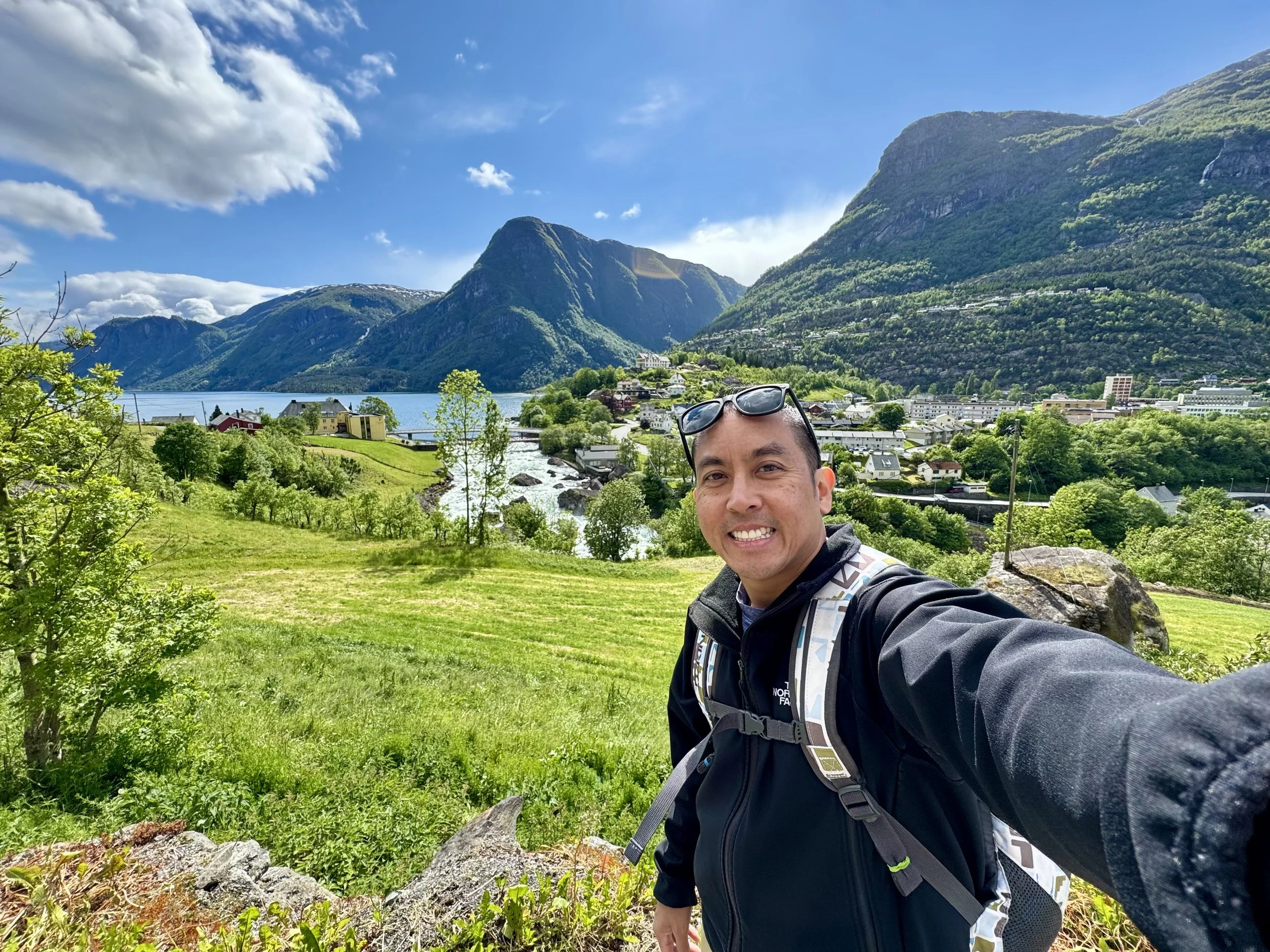
Coach Art hiking in Odda, Norway
Hi, Coach Art here. I'd like to share with you why I do CrossFit.
CrossFit is my main form of exercise because it helps me build the kind of fitness that carries over into the things I actually enjoy doing outside of the gym. My goal isn’t just to be strong or fit for the sake of working out—it's to be capable and ready for the experiences I want to have in life.
I enjoy traveling, and I want to be able to spend entire days exploring new cities and countries without feeling limited by my fitness.

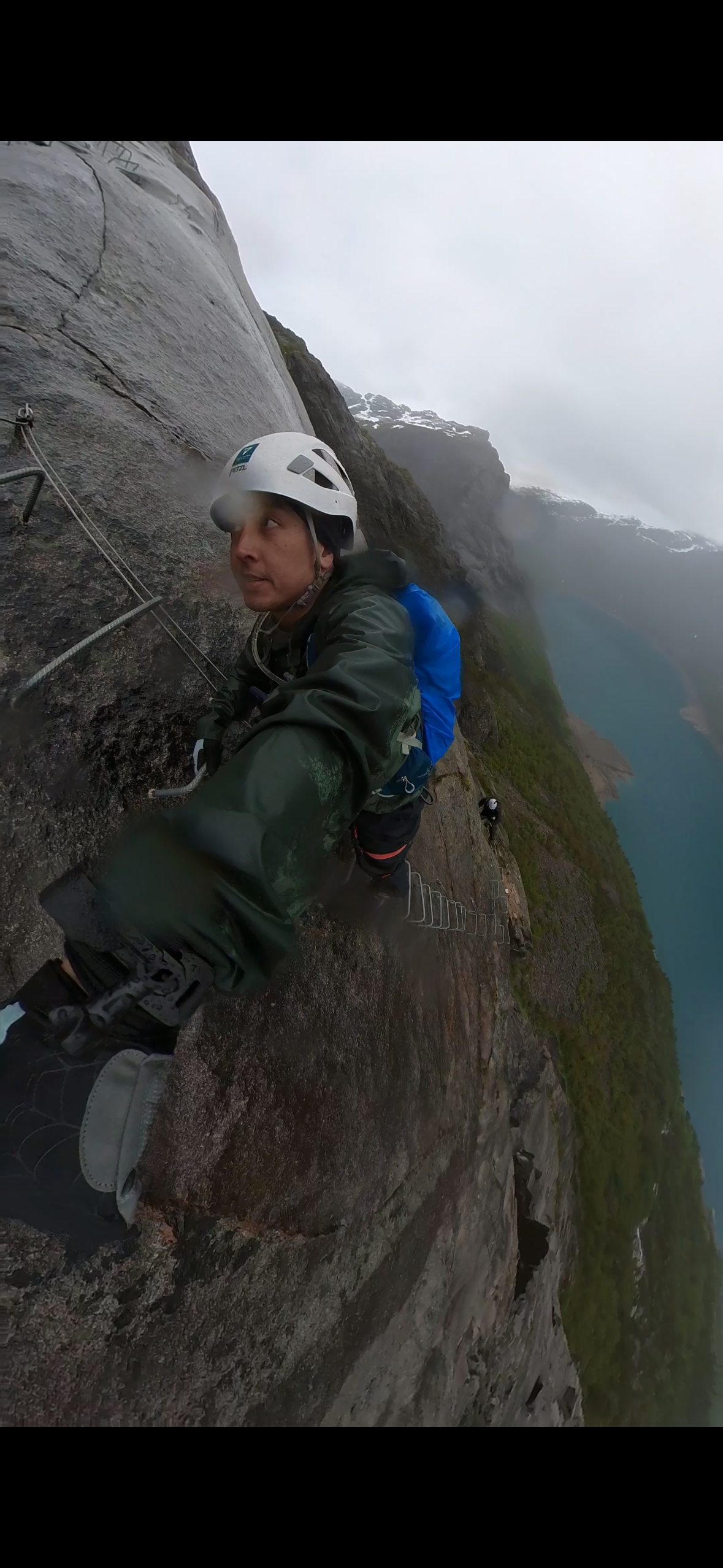
Coach Art hiking in Trolltunga, Norway
I want to be able to hike challenging trails, climb mountains for incredible views, and experience nature in different parts of the world. I also enjoy trying local foods when I travel, and having a healthy, active lifestyle allows me to enjoy those experiences without feeling like I need to constantly restrict myself.
Another big reason I train is because I love snowboarding. I want to be able to travel to different resorts and ride for multiple days in a row without my body breaking down halfway through the trip.
CrossFit helps me build strength, endurance, mobility, and overall resilience that supports all of these activities. That said, these are my personal reasons for exercising, and I don’t think anyone needs a goal that sounds this big to stay motivated.
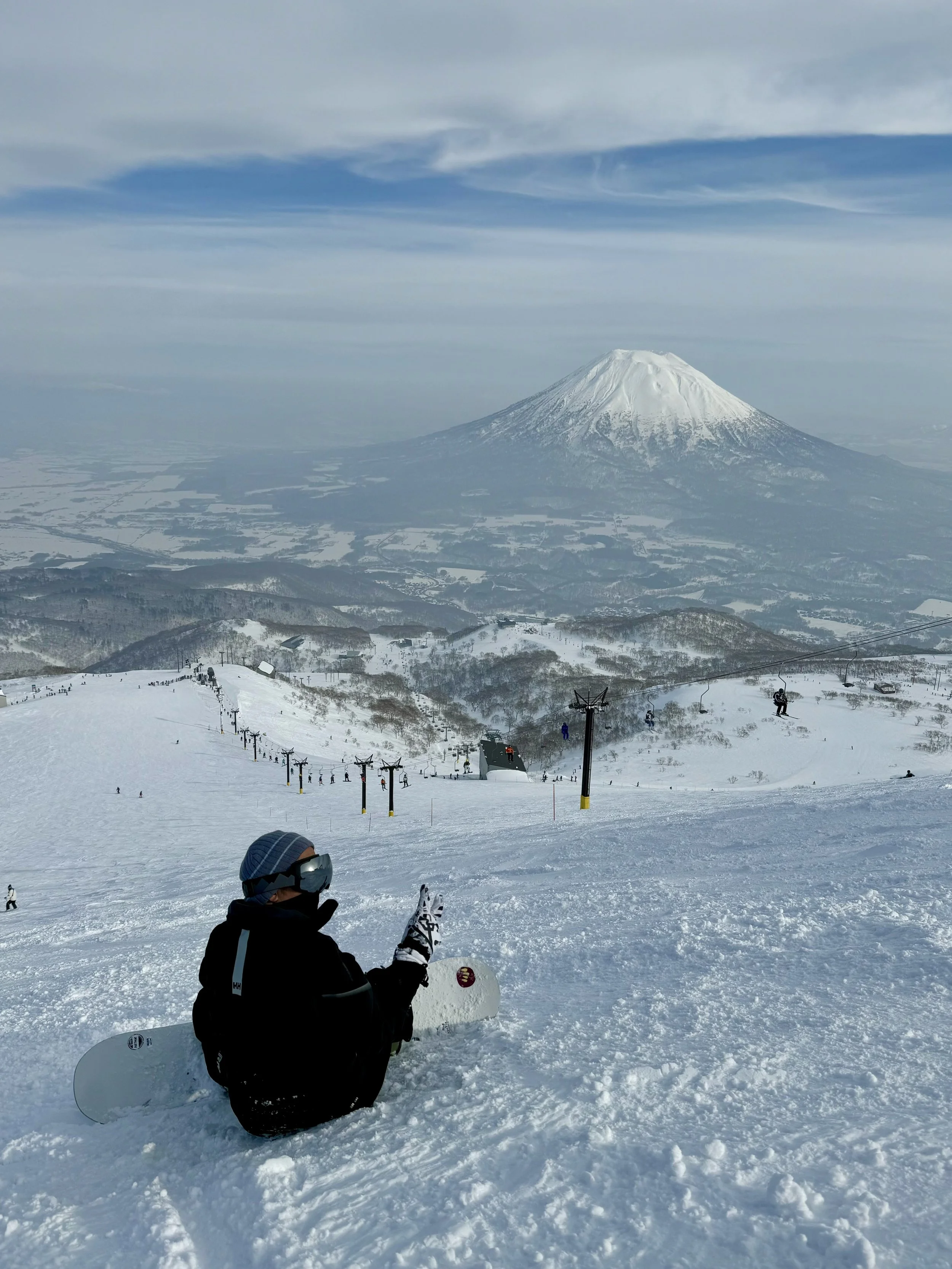
Coach Art snowboarding in Niseko Japan with a view of Mount Yotei
Your reason could be wanting to perform better in a sport you love, staying healthy and active for your family, improving your confidence, or simply feeling better day to day. The best reason to exercise is the one that matters to you and helps you live the life you want to live.
Whatever your goals may be, having the right support system can make all the difference. At CrossFit 1904, we're here to help you build the fitness needed to pursue the life you want—one workout at a time. Train for life, not just the gym, and let us help you achieve your goals.